







Search Results for: 46 Brewing Method

How does the timing of pouring in the three-pour pour-over method affect flavor? A comparative experimental analysis of light roast vs. medium-dark roast
When using a three-pour method for pour-over coffee, should the third pour wait until the water has fully drained, or should it be added before the water level reaches the bottom? Front Street answers this through two sets of comparative experiments. First, lightly roasted Yirgacheffe Geddid was brewed with continuous and interrupted pouring respectively, and the total time differed by 10 seconds, with slight differences in aroma and acidity, but the overall difference was not significant. Then the test was repeated with medium-dark roasted Papua New Guinea Bird of Paradise, but the interrupted-pour cup showed obvious bitterness. The reason is that medium-dark roasted beans are loose in texture and have a low margin for error, so bitterness-prone compounds are easily over-extracted when the time is prolonged. The article ultimately points out that interrupted pouring is not unworkable; the key is to pair it with corresponding parameters, such as the coarse-grind 46 brewing method. [more…]
Brazil Cerrado Coffee Bean Flavor Characteristics and Variety Origins: A Full Analysis from Seed Introduction to Grading System
Brazil has held the top spot in global coffee production since the 1960s. Even after a century of droughts and frosts, its total production in 2021 still reached 46.88 million bags. This coffee powerhouse, now so influential, had not a single coffee tree three hundred years ago. How did coffee seeds reach Brazil? And what flavor profile does the Red Bourbon of the Cerrado region offer? This article systematically covers the core knowledge of Brazilian coffee, from historical origins, grading systems, and producing regions to brewing parameters, and introduces the Cerrado Red Bourbon, a representative of Brazil's classic flavors in Front Street Coffee's everyday bean series. [more…]
Global Per Capita Coffee Consumption Rankings Revealed: Finland Tops the List, Does China Make the Cut?
Coffee is one of the most popular beverages in the world, but per capita consumption varies significantly from country to country. Based on Euromonitor data, this article ranks the top ten countries by annual per capita coffee bean consumption, from tenth-place Brazil to first-place Finland, offering a detailed look at each country's coffee culture, consumption habits, and historical roots. Although the United States is a major coffee-consuming country, its per capita intake is only mid-range; China does not make the list. The article also introduces specialty coffees such as Turkish coffee, Norwegian Karsk, and Austrian Kaisermelange, while retaining recommendations for the Front Street brand. [more…]

Kasuya Tetsu's 4:6 Brewing Method Explained: Why Five-Pour Brewing Consistently Produces Balanced Pour-Over Coffee
Some works often outshine their creators, like the Mona Lisa for Da Vinci, or the 4:6 method for Tetsu Kasuya. The core goal of this method, invented by the 2016 World Brewers Cup champion, is simple—to let anyone brew delicious coffee. It breaks a brew into five pours, each using three times the coffee dose in water, with the first two pours making up 40% of the total water to determine the sweet-and-sour direction, and the last three pours making up 60% to shape a rich, full-bodied mouthfeel. This article will fully break down the segmentation logic of the 4:6 method, the origin of the 45-second pouring interval, and conduct a real test using Front Street Coffee's Ethiopia Santa Vini beans to verify why this formula has an extremely high margin for error, and how to move beyond the formula and grasp its extraction philosophy. [more…]
A Comprehensive Look at the Historical Background and Reasons for the Popularity of Yirgacheffe Coffee
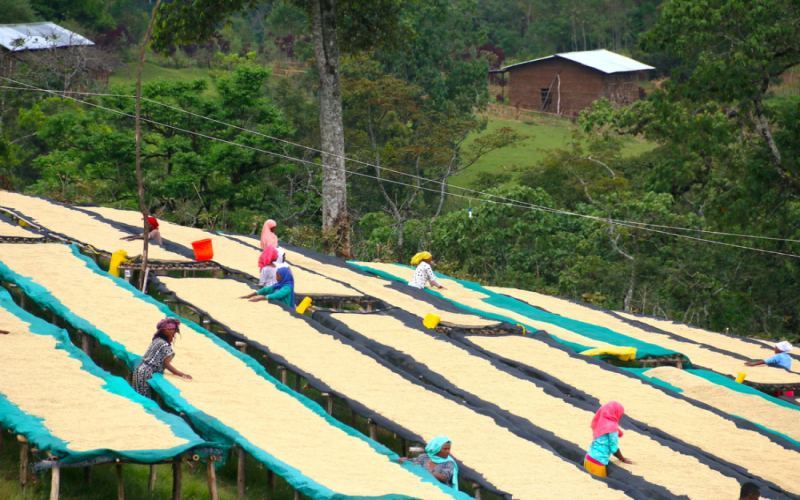
As a representative of Ethiopian specialty coffee, Yirgacheffe has won over countless coffee lovers with its bright fruit acidity and jasmine aroma. But do you know the history and grading system behind it? Why do Ethiopian coffee beans vary in size? From the perspective of Front Street Coffee, this article sorts out the definition of the Yirgacheffe production region, the ECX grading standards, and provides a detailed analysis of the brewing parameters and flavor performance of Front Street Yirgacheffe Washed Gedingding, helping you fully understand this African star coffee. [more…]

Comparison of Two Geisha Blends: Green Bean, Roasting, and Flavor Differences Between Front Street Coffee's Gesha Village Chaka and Front Street Coffee's Panama Butterfly
Front Street Coffee has recently added several Gesha Village lots, including Gold Label, Red Label, and Chaka. Many coffee enthusiasts are curious: both being Gesha blends, what exactly is the difference between Front Street Coffee Gesha Village · Chaka and Front Street Coffee Panama · Butterfly? This article compares the two across three dimensions: green bean information, roasting curves, and brewing parameters and flavor performance. Both beans are primarily Gesha variety, and both flavor profiles carry citrus fruit notes, but Chaka has higher body with prominent nutty flavors, while Butterfly is cleaner and clearer with obvious floral notes. If you are choosing a Gesha blend, this comparison may help you find the one that suits you better. [more…]
Ethiopia Guji Uraga Washed G1 Hero Coffee Beans Flavor Analysis and Pour-Over Parameters Tutorial
The Guji region of Ethiopia has attracted considerable attention in the specialty coffee world in recent years, and Uraga, as one of its standout sub-regions, has produced no shortage of stunning washed lots. In this installment, Front Street Coffee takes you deep into this Hero Washed G1: from the terroir conditions of Guji Uraga and Ethiopia's coffee bean grading system, to the jasmine, bergamot, and apricot flavors expressed under a light roast, and finally a complete set of pour-over extraction parameters and staged pouring technique. Whether you want to understand the classic style of Ethiopian washed beans or are looking for a reliable reference plan for your daily brewing, this article will give you clear answers. [more…]
Coffee Bean Storage | Can You Use the Freezer to Keep Coffee Beans Fresh? Do Frozen Coffee Beans Need to Be Thawed Before Brewing?
Freezing is a very popular method of "preserving" coffee beans in recent years. Simply seal the coffee beans and toss them into the freezer, and the flavor loss of the coffee will slow down, thus extending its shelf life. Many friends have adopted this method to stock up on coffee beans purchased during Front Street Coffee's discount events. [more…]
Ethiopian Yirgacheffe Coffee Beans: A Complete Analysis of Roast Levels and Flavor Characteristics
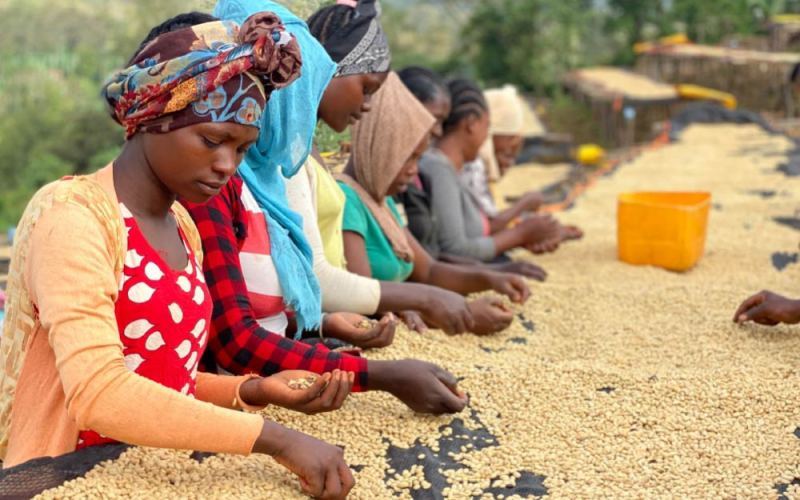
Ethiopia, as the birthplace of coffee, still has wild coffee gathered in its primeval forests today. Although the country has long faced poverty and drought, its coffee quality and output remain pivotal globally. The Yirgacheffe region is famous for its washed beans, and in recent years its natural beans have also risen rapidly. This article will comprehensively analyze the characteristics of Yirgacheffe coffee beans from the perspectives of processing method differences, flavor performance at different roast levels, and grading standards, while interspersing specific product recommendations from the Front Street Coffee brand to help coffee enthusiasts gain a deeper understanding of the unique charm of this region. [more…]
A Comprehensive Analysis of the Flavor Characteristics, Roasting, and Brewing of Ethiopia Sidamo Guji Lion King Natural G1 Coffee Beans
Sidamo, as a long-renowned specialty coffee region in southern Ethiopia, nurtures richly layered coffee flavors thanks to its diverse terrain and fertile volcanic soil. This article focuses on the Sidamo Lion King Natural G1 lot launched by Front Street Coffee, analyzing it one by one from the region's background and cooperative source, to the natural processing flow, green bean characteristics, roasting curve design, and pour-over parameters. This coffee has a profile close to floral and tropical fruit notes, with a smooth and balanced mouthfeel, and lively, ever-changing layers, making it suitable for coffee lovers who enjoy bright acidity and clean flavors to explore in depth. [more…]
Colombia Caldas Region Natural Geisha: Flavor Characteristics, Estate Background, and Pour-Over Parameters Explained
The Geisha variety has always been most famous in Panama and Ethiopia, but Geisha grown in Colombia is equally worth paying attention to. For this selection, Front Street Coffee chose a lot from Finca Mitra in the Chinchiná region of Caldas Department, Colombia. It is sun-dried, grown at an altitude of 1,700 to 1,850 meters, and graded SUPREMO. The Caldas producing region lies in the heart of Colombia's coffee industry, and its coffees often carry vanilla notes, soft acidity, and good body. The natural process adds fermented aromas and richer layers of sweetness to this Geisha. This article will cover the terroir conditions of the region, the origins and cultivation requirements of the Geisha variety, Front Street's light-roast profile design, and the specific parameters and techniques for pour-over extraction, along with cupping and brewed flavor descriptions for coffee lovers' reference. [more…]
Do Frozen Coffee Beans Need to Be Thawed? From Storage Methods to Brewing Parameters, a Complete Guide to Using Frozen Coffee Beans Correctly
Does putting coffee beans in the freezer really extend their peak flavor window? Some friends have found that beans that have been frozen brew up with weaker aroma and a thin body, and so they suspect freezing is useless. In fact, freezing really can slow down coffee bean degassing and extend freshness, but only if storage and brewing are both done right. This article covers everything from airtight portioning and preventing condensation, to the two routes of brewing frozen beans directly versus brewing after thawing, and uses comparison data from Front Street Yirgacheffe · Gutingding to help you fully understand the complete operational logic of frozen coffee beans in one go. [more…]
Ethiopia Sidamo Lion King Coffee: Guji Region Natural Flavor and Pour-Over Grind Parameters Analysis
Sidamo is a long-renowned specialty coffee region in southern Ethiopia, and the Lion King natural bean is a quintessential representation of its diverse flavors. This article systematically reviews the complete profile of Front Street Coffee's Sidamo Lion King coffee, from regional terroir, variety characteristics, natural processing flow, green bean appearance, roasting curve to brewing parameters. You will learn about the background of the Guji region and the Sirsa cooperative, how the natural method imparts floral and fruity aromas to the coffee, and why this bean is suitable for light-medium roasting and presentation via V60 pour-over. Whether you are looking to purchase this bean or wish to gain a deeper understanding of the style of Ethiopian natural coffee, this article provides detailed reference. [more…]
Brazil Cerrado Red Bourbon Coffee Flavor Analysis: A Complete Guide from Origin and Variety to Roasting and Brewing
Brazil, as the world's largest coffee producer, has its Cerrado region's Red Bourbon coffee beans known for their nutty, chocolatey, and creamy, full-bodied flavor. This Brazil Cerrado Red Bourbon from the Front Street Coffee daily drinking bean series, with its rich chocolate and nutty notes, has become the top entry-level choice for many coffee lovers first trying full-bodied styles. This article will systematically cover the terroir conditions of the Cerrado region, the historical origins and botanical characteristics of the Red Bourbon variety, the unique features of the pulped natural processing method, and include Front Street Coffee's actual roasting curve and brewing parameters, helping you fully understand this classic Brazilian coffee from seed to cup. [more…]
Analysis of the Flavor of Indonesian West Java Honey-Processed Coffee and Price Reference: From Arumanis to Front Street Coffee Roasting
In recent years, the West Java producing region of Indonesia has been making a name for itself with its honey processing method. Among them, Aromanis coffee beans, with their unique tropical fruit aromas and clear, sweet aftertaste, have overturned people's long-held impression of Indonesian coffee as bitter, rich, and heavy. This article starts with the details of the honey processing technique, sorts out the geographical and climatic advantages of West Java, and introduces information on the West Java honey-processed product launched by Front Street Coffee, along with brewing suggestions and market price references, providing coffee lovers with a complete guide to flavor and purchasing. [more…]

Pour-Over Coffee Brewing Temperature | What Is the Best Water Temperature for Brewing Pour-Over Coffee? Does Brewing Water Temperature Have a Big Impact on Coffee Flavor and Mouthfeel?
For pour-over coffee, most people tend to use higher water temperatures for extraction, because high temperatures not only improve extraction efficiency but, more importantly, bring out a rich, sweet-and-sour aroma and flavor. Basically, the water temperature used for pour-over coffee is rarely below 80°C. So, if you brew coffee below this temperature, is there any [more…]
An Analysis of the Differences Among Black Honey, Red Honey, and Yellow Honey Processing: A Comprehensive Comparison from Pectin Retention to Flavor Expression
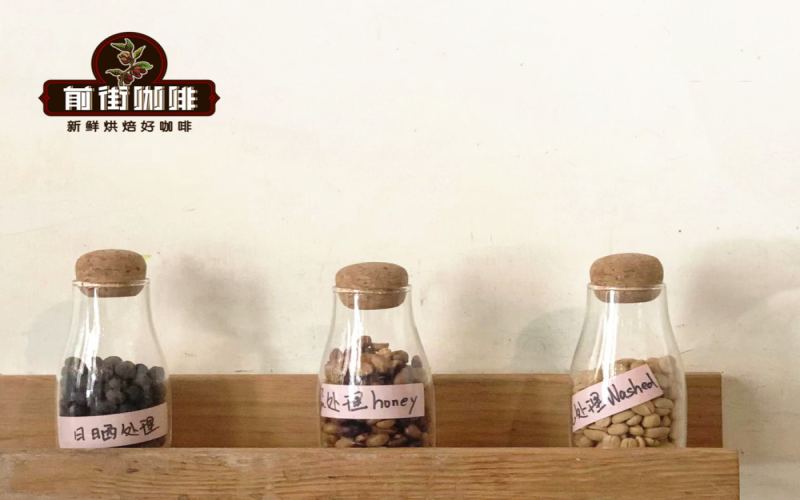
In the field of coffee post-processing, honey processing is an important method that falls between washed and natural, and is widely used in Central American producing regions such as Costa Rica. Depending on the proportion of mucilage retained, the drying time, and the frequency of turning, honey processing can be further divided into several tiers, including black honey, red honey, and yellow honey. Using three beans—black honey, red honey, and yellow honey—as samples, this article conducts a systematic comparison from green bean appearance and roasting curves to cupping flavors, helping coffee enthusiasts understand the practical impact of different honey processing methods on the final flavor direction, while also providing a reference for everyday purchasing and brewing. [more…]
Flavor Analysis of Various Geisha Coffee Bean Lots from Gesha Village, Ethiopia, and Gold Label Pour-Over Parameters Sharing
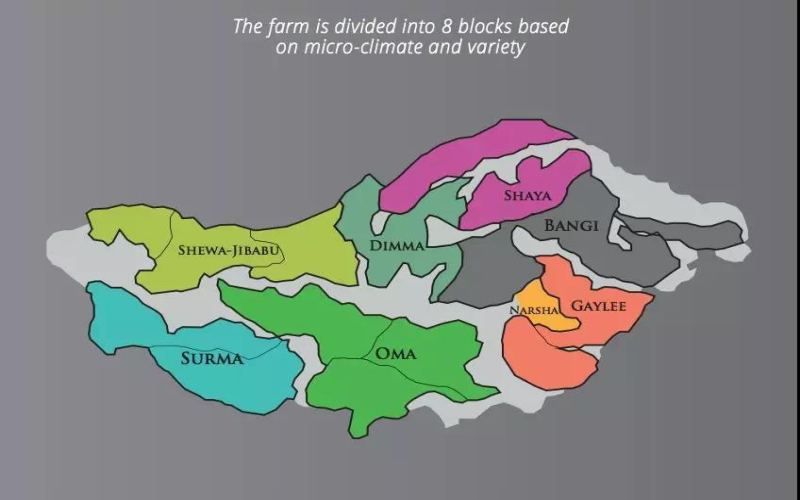
Located on the southwestern frontier of Ethiopia, bordering Sudan, Gesha Village Coffee Estate is named after the local nomadic Surma people. Its elevation ranges from 1909 to 2063 meters, and its primary variety is Gesha 1931. The coffee produced here is renowned for its delicate aromas of jasmine and pale red roses, accompanied by the sweetness of strawberry, ripe watermelon, and apple, along with a refined and soft spicy finish. Drawing on the Panamanian business model, the estate classifies its Geisha into different grades such as Gold Label, Red Label, Green Label, and Chaka. This article will systematically review the flavor characteristics and product information of each grade, and include a complete pour-over guide for Front Street Coffee's Gold Label Geisha, including dripper, water temperature, coffee-to-water ratio, and three-stage pouring details, for coffee enthusiasts' reference. [more…]
Honduran Specialty Hand-Brewed Coffee Beans Guide: Analyzing the Barrel-Fermented Flavors of Sherry and Lychee Orchid
In recent years, Honduras has secured a place for itself in the specialty coffee landscape of Central America thanks to its unique barrel-fermentation processing methods. Among these, two beans in particular stand out: Sherry and Litchi Orchid. The former, fermented in whisky barrels, delivers layers reminiscent of vanilla cream and liqueur-filled chocolate, while the latter, shaped by brandy barrels, develops an elegant profile of lychee and grape. This article systematically lays out the complete picture of Front Street Coffee's Honduras Sherry coffee—from growing region background, estate information, and varietal characteristics to processing techniques, roasting curves, and brewing parameters—and compares the flavor differences among different barrel-processing methods from the same estate, offering pour-over enthusiasts a detailed reference. [more…]

How to brew with the one-pour tornado pour-over method? A full breakdown of pouring technique, parameter settings, and flavor performance
In the exploration of pour-over coffee, enthusiasts always manage to create eye-catching new brewing methods. Today, Front Street Coffee is going to try the "one-pour tornado brewing," an aggressive technique that combines the traditional one-pour method with cyclone-style pouring. It divides the target water volume into two stages—blooming and main extraction—without pausing in between, and then creates a whirlpool through rapid circular pouring and a large, fixed-point stream, resulting in higher extraction efficiency and a thicker body. However, this technique places extremely high demands on flow control and parameter coordination, and it is not suitable for all beans. This article will break down the operational steps of the one-pour tornado, parameter adjustments, comparisons with the conventional one-pour method, and recommendations for suitable bean types, giving you a comprehensive understanding of this brewing method that is both visually striking and challenging. [more…]